
On Family
Estrangement and other ways of avoiding knowing

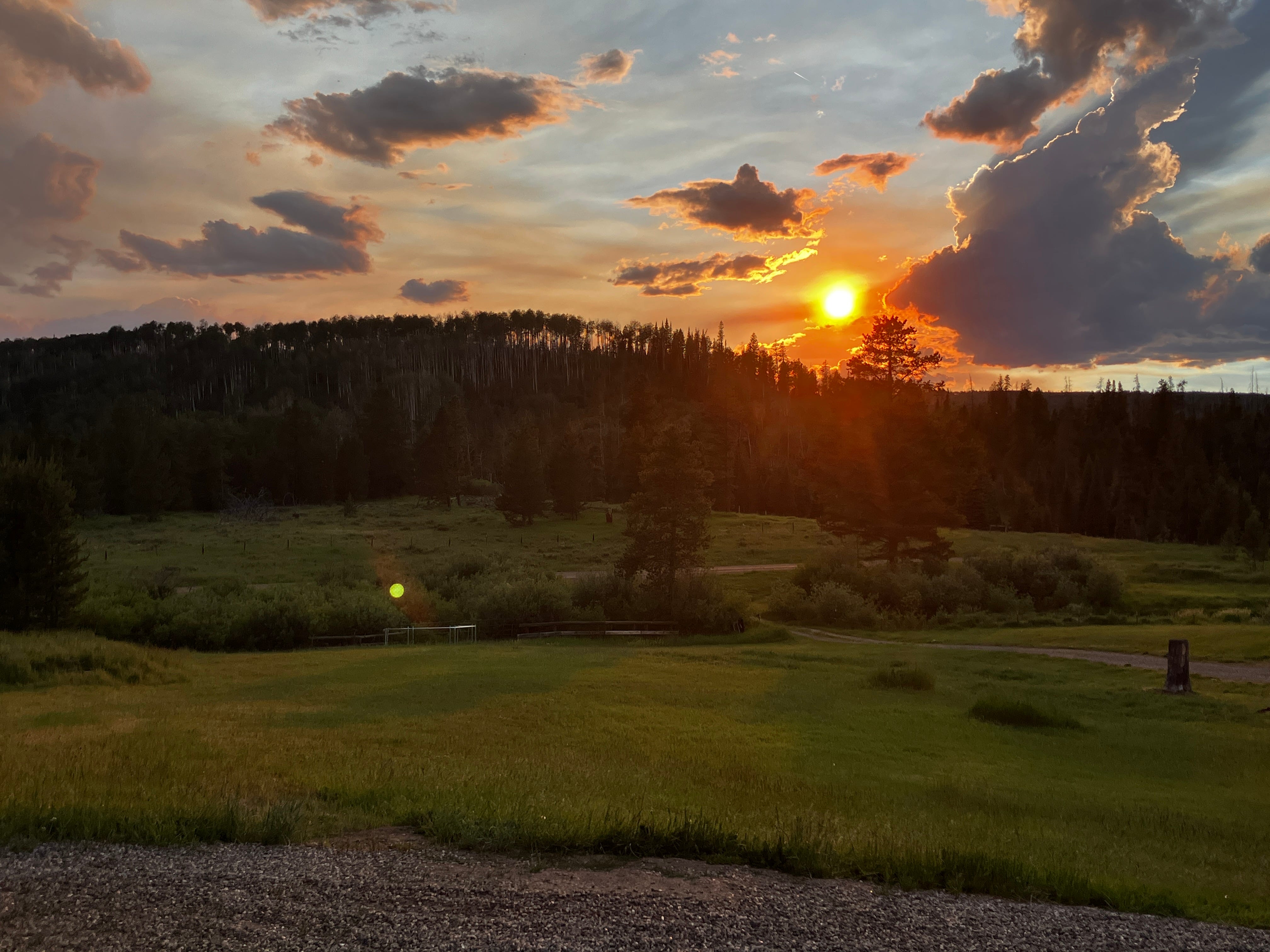
I’m writing this post at a shaded picnic table outside a rustic cabin on the edge of a man-made pond high up in Colorado’s Routt County, north of Steamboat Springs. This is our final night of Family Trip, a long weekend that my parents, brothers, and I have been planning and looking forward to for the bulk of the calendar year.
Family is a major theme in my work, but I tend not to write about family too much on social media. Family is a theme, a category. My mom, dad, and brothers are people: dynamic, living, feeling. For one thing, most of my immediate family members subscribe to this substack (hi, Mom! Hi, Sam!). For another thing, family is complicated.
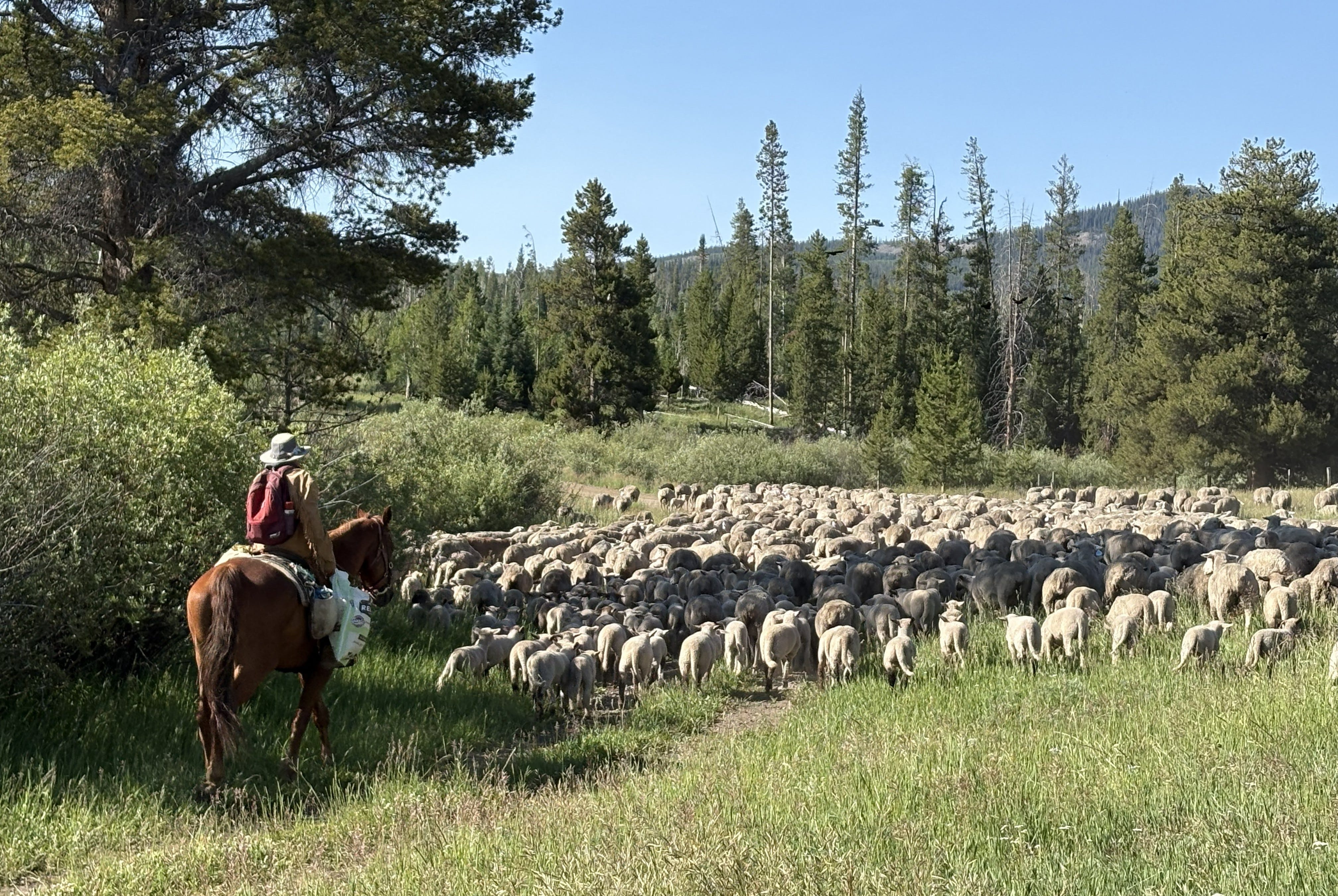
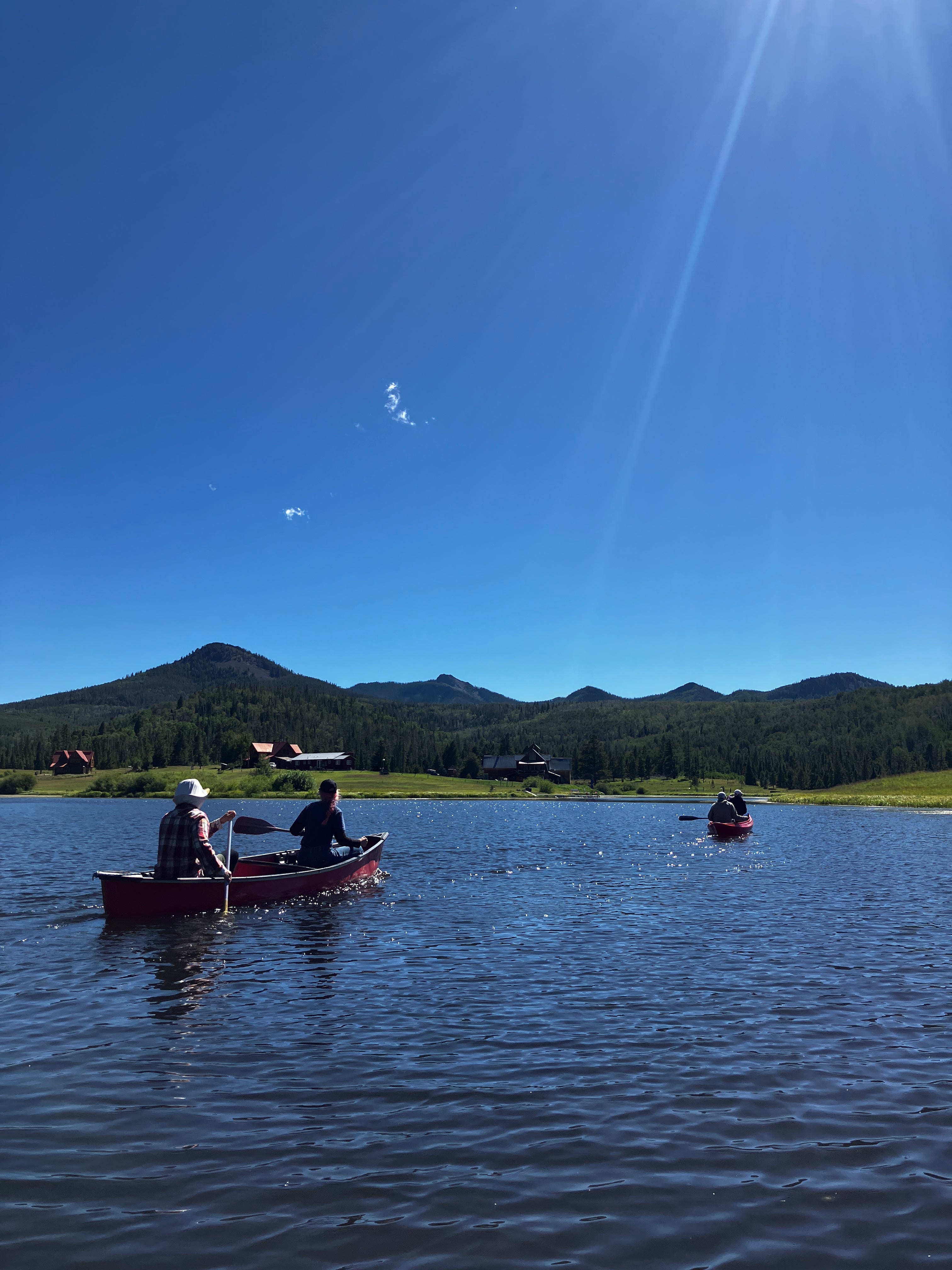
So let me ground this post, at least, in specifics. Michael is attending a wedding on his side this weekend, so I’m flying solo for Family Trip. We Watsons are an outdoorsy bunch: hiking boots, chacos, sliced summer sausage and Jarlsberg cheese. We get up early and drink coffee on the back porch. We all love paddling on the pond: kayaking, canoeing, watching the reeds at the edge of the water for muskrats. We’ve gone for nature hikes and long walks around the property and somehow Mom got caught in the middle of a sheep drive?
For women, family seems to inevitably get tangled up in our work. There’s a running joke among my female writer friends about how every woman on book tour eventually has to field the question, “How does your family feel about this?”, as if women don’t have the autonomy or agency to share our stories without our husband’s/childrens’/other family members’ permission.
But this question is not always asked with the intention of policing women. The question is also, often, sincere: ‘how do you show up to the people who matter in your everyday life after you’ve written so publicly?’ The stories we tell about ourselves and our families impact the ways we show up in those families.
This past week I saw an instagram post from Stephanie Stalvey, author of the stunning graphic memoir Everything In Color: A Love Story1, in which she addresses this same question.
How do you hold the truth of your experience alongside someone else’s, possibly contradictory, experience? What does it look like for those two stories to co-exist?
A quick interlude about the spectrum of acceptable truth value across nonfiction —-
In my day job, I work for a nonprofit newsroom. We publish hard news: facts, investigative reporting, coverage of local elections. I have been so interested watching my brilliant and experienced colleagues discuss what makes something ‘a story’ for Boulder Reporting Lab. In our coverage of local election primaries, we’ve reported the candidates’ positions on local issues, but we’ve also covered campaign behavior that showcases their overall character. Hearsay, rumors, and oft-repeated gossip don’t make the cut for news (but action taken to act on those things does).
I also write criticism, which falls somewhere between hard news and personal essay/memoir. Criticism is grounded in the text (whether that be a book, film, trend, or something even less tangible). Criticism must make an argument and must support that argument with evidence.2
Personal writing is the most fluid of these genres. This is the stuff of memoir, essay, creative nonfiction, and the other increasingly more inventive terms that emerge as subcategories in lit mag submissions.
I’ll return to this, but for now, back to the essay —
In an interview available on youtube, the writer Edouard Louis talks about how sometimes family members don’t want to know the truth of one another.
“My family didn’t want me to write that book,” he says, speaking of Collapse, which interrogates his brother’s death. “Families struggle not to know the other people in the family,” Louis continues. “They try to avoid knowing.”
This language makes me think of estrangement, the no-contact movement, widespread among—but by no means limited to—those who have separated from their religions of origin. (There’s so much therapeutic framework around ‘family of origin’; what if it expanded to include ‘religion of origin’?)
Stephanie Jo Warren's Substack writes about these topics beautifully and extensively. There’s also No Contact, a new anthology from Catapult about estrangement, edited by Jenny Bartoy
But the experience of estrangement isn’t mine, and, at least these days, I’m more interested in how we struggle to know or not know one another from within active relationships.
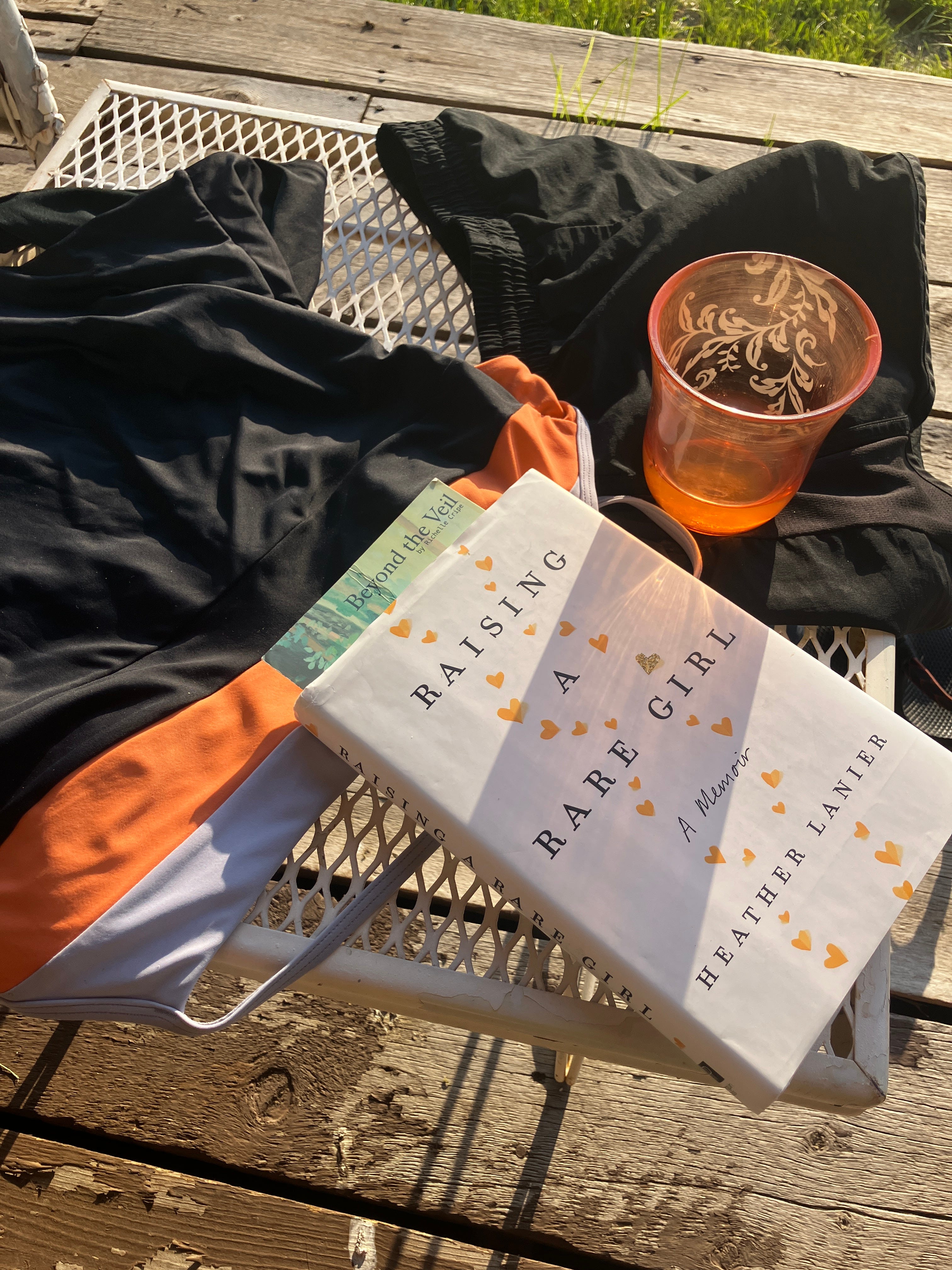
While on this family trip, I finished reading Heather Lanier’s beautiful memoir, Raising a Rare Girl, which opened my eyes to even more valences of knowing others and releasing them from our expectations for them.
Doesn’t all the wonder of relationships lie in the endless effort to know another person?
What is it that Marilynne Robinson writes in Gilead — “we are all such secrets from one another” ?
This is, I think, where truth in memoir emerges.
I believe that fact-checking matters and there is such a thing as accuracy and accountability and you can’t just make stuff up. (The writer Hermione Hoby and I recently had a brief conversation about the increasing conflation of memoir and novels, and how, in the reverse direction than what I’m talking about, readers seem far too willing to interpret all novels as autofictional. Whether something is framed as truth or fiction matters.) AND, how do you fact-check the facets of a person’s soul?
I’m cutting this essay here, because I have to go watch the World Cup and play board games with my family. I’d love to know:
What are your favorite works—memoirs or otherwise—that deal with themes of family, in traditional or less traditional ways?
I recently finished Shanda McManus’s tender, delicate, insightful memoir, Brother Epistles, and it contains such a beautiful portrait of family.
I’d also like to shout out Schitt’s Creek for its powerful, hilarious, moving depiction of a dynamic and growing family.
And what of you, substackers? Who is writing about family in rich and nuanced ways? Hop in the comments and tell us who you are!!
Which I’ve written about for Hippocampus magazine! Find my review here: https://www.hippocampusmagazine.com/2026/04/review-everything-in-color-a-love-story-by-stephanie-stalvey/
Want to know more about how I construct book reviews? I’ll be teaching an online course with Literary Liberation this fall — stay tuned for details!
Enjoyed this, especially the part about having to work to know -- or not know -- family members. I'm new on substack, and I've been writing about my kid and the things he loves (stickers, fire trucks, etc). Check out the latest if you have a moment: https://matthewde.substack.com/p/why-do-kids-love-fire-trucks?r=1kn6qp&utm_campaign=post-expanded-share&utm_medium=post%20viewer
Tara Westover’s “Educated” and David Archuleta’s new memoir, “Devout” were important ones for me and maybe any ex-Mormon. I also love Jaydra Johnson’s “Low” (not Mormie, but arty).